
Travel trends are no longer shaped only by guidebooks and travel agencies. Today, normative social influence can affect where people travel, what they do at a destination, and which experiences they consider desirable. This psychological concept explains how people sometimes adjust their behavior to fit group expectations and gain social acceptance.
In travel, this influence can appear when people choose trending destinations, copy popular itineraries, visit highly photographed attractions, or follow behaviors promoted within their social circles. Social media can make these group norms more visible because travelers constantly see what friends, influencers, and other tourists are doing.
However, social influence does not automatically make a travel choice bad. Instead, understanding why a destination or experience appeals to you can help you separate personal preferences from pressure to follow a trend.
What Is Normative Social Influence?
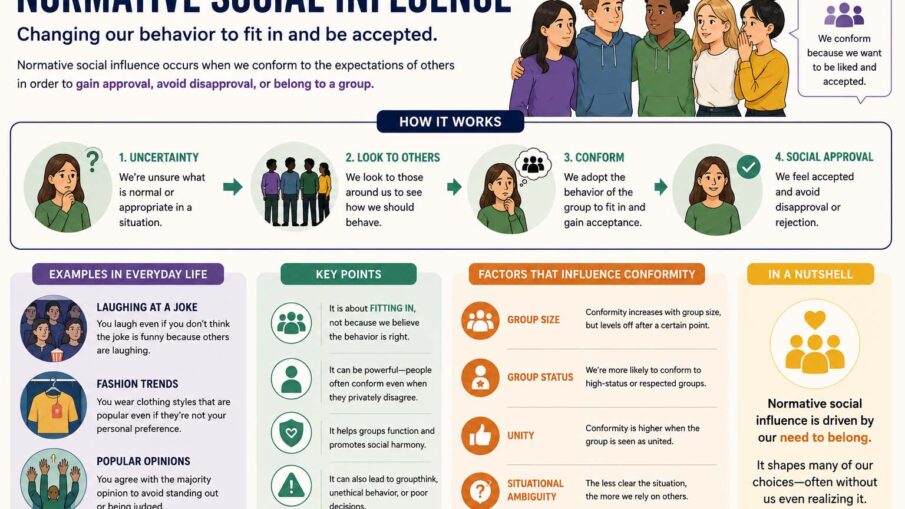
Normative social influence occurs when people conform to group norms because they want to fit in, feel accepted, or avoid social disapproval. OpenStax explains that normative influence motivates conformity through the desire to fit in and gain acceptance, while informational influence involves following others because they appear to have accurate or useful information. OpenStax explanation of conformity and social influence
In travel settings, group expectations can affect decisions in subtle ways. For example, travelers may visit famous landmarks because friends or online communities treat those places as essential parts of a trip.
Likewise, tourists may choose certain restaurants, clothing styles, photo locations, or activities because those choices help them feel connected to a group.
However, following a popular choice does not always mean social pressure caused the decision. A traveler may genuinely prefer a famous attraction, destination, or experience for personal reasons.
The Psychology Behind Group Conformity
Social groups create norms about acceptable or desirable behavior. Therefore, people sometimes adjust their choices to match those expectations even when nobody directly tells them what to do.
This behavior can become especially noticeable when approval matters. For instance, a traveler might select a fashionable destination because friends admire it or because visiting that place carries social status within an online community.
Social media can strengthen this effect by making popular behaviors highly visible. Travelers repeatedly encounter similar destinations, photographs, restaurants, hotels, and itineraries. As a result, certain experiences may begin to feel like expected parts of travel.
Still, exposure does not guarantee conformity. Personal interests, budget, available time, cultural preferences, and practical needs also influence travel decisions.
A Normative Social Influence Example in Tourism
Imagine that a group of friends plans an international vacation. Most members strongly prefer a destination that has become popular on social media. One traveler would rather visit somewhere quieter but agrees with the group because they do not want to feel excluded.
That choice illustrates normative influence because social acceptance affects the decision.
Travel trends can create similar situations on a much larger scale. For example, a destination may become highly desirable within a particular online community. Travelers then see friends and creators visiting it, which can increase their own desire to participate in the shared experience.
Japan’s cherry blossom season provides a useful travel example. Travelers researching the best time to travel to Japan may encounter large amounts of social media content showing spring blossoms, popular viewing locations, and similar photographs.
Some people genuinely want to see the blossoms. Others may feel that visiting during this famous season is the experience they are expected to have. Therefore, the motivation behind the decision matters when identifying social influence.
Normative vs. Informational Social Influence
Understanding normative vs. informational social influence helps explain why two travelers can make the same decision for completely different reasons.
Normative influence involves conforming because a person wants acceptance or wants to fit into a group. Informational influence, by contrast, occurs when someone follows others because they believe those people have useful or accurate knowledge.
For example, suppose a traveler chooses a fashionable resort mainly because friends admire it. Social approval may drive that decision, making it an example of normative influence.
However, suppose the same traveler chooses a hotel because experienced visitors provide credible information about its location and services. In that case, informational influence may play a larger role.
The two forms can also overlap. A traveler might choose a popular hotel partly because friends recommend it and partly because those friends have relevant experience.
How Social Media Can Shape Travel Choices
Social media allows travelers to discover places they might never encounter through traditional travel planning. However, it also makes other people’s choices highly visible.
When users repeatedly see the same destination, restaurant, beach, viewpoint, or hotel, popularity can become a social signal. Consequently, travelers may start viewing the experience as something they should include in their own trip.
Influencers can also affect perceptions of what a desirable vacation looks like. Luxury resorts, carefully framed photographs, fashionable restaurants, and famous attractions may receive far more visibility than ordinary travel experiences.
As a result, travelers may compare their plans with idealized online content. Recognizing this pressure can help them decide whether an experience genuinely matches their interests.
How Group Influence Affects Popular Destinations
Social influence can contribute to the rapid growth of travel trends. When many people share content from the same destination, that visibility can encourage even more travelers to consider it.
However, social influence represents only one factor behind destination popularity. Accessibility, marketing, affordability, attractions, weather, events, transportation, and broader tourism trends can also affect demand.
Popular places may become busier when online exposure combines with these factors. Consequently, travelers may encounter crowded attractions, limited accommodation choices, or higher prices during periods of strong demand.
On the other hand, tourism can support local businesses and introduce visitors to cultures and places they had not previously considered.
Therefore, travelers do not need to reject popular destinations. Instead, they can research conditions and decide whether the experience suits their goals.
Choosing the Best Time to Visit Trending Destinations
The best time to visit a popular destination depends on weather, crowds, prices, local events, and personal preferences.
For example, spring attracts travelers to destinations known for flowers and mild weather. Japan and the Netherlands can receive particular attention during famous seasonal displays.
Meanwhile, summer draws visitors to many beach destinations. However, high demand can also bring larger crowds and higher accommodation prices in some locations.
Autumn may offer a different experience in many destinations, particularly for travelers who prefer cooler weather or smaller crowds. Likewise, winter can appeal to people interested in snow, festive events, or northern lights trips.
Instead of selecting dates simply because they appear popular online, travelers should compare seasonal conditions with their own priorities.
Finding More Affordable Travel Periods
Travelers looking to control costs can compare peak, shoulder, and low seasons before booking.
Shoulder seasons often fall between the busiest and quietest travel periods. Depending on the destination, these months may offer a useful balance between weather, crowds, and prices.
However, there is no universal cheapest month for every destination. Flight prices, hotel rates, festivals, school holidays, weather, and major events can all affect costs.
Therefore, travelers should compare actual prices for their intended dates rather than relying solely on social media recommendations.
Flexibility can also help. If a trending period creates unusually high demand, shifting a trip to another week or season may provide more accommodation options.
Weather and Climate Considerations
Social media images often show destinations under ideal conditions. However, real travel involves changing weather and seasonal differences.
For example, tropical destinations can experience periods of heavy rain, high humidity, or intense heat. Meanwhile, European destinations can vary considerably between summer and winter.
Travelers should research normal seasonal conditions before choosing dates. In addition, they should check forecasts closer to departure.
This approach helps travelers set realistic expectations. A destination that looks perfect in a photograph may feel very different during its hottest, wettest, or busiest period.
Things to Avoid When Following Travel Trends
Travel inspiration can be useful, but travelers should avoid making major decisions based entirely on social approval.
First, do not assume that a viral destination will automatically match your interests. A crowded photo spot may appeal to one traveler, while another person would enjoy a quiet neighborhood or nature experience more.
Second, avoid overspending simply to imitate luxury travel content. Social media rarely provides a complete picture of another person’s budget or circumstances.
Also, research attractions before visiting them. Popularity alone does not tell you about accessibility, local rules, opening hours, costs, or whether an attraction fits your itinerary.
Understanding the law of detachment can also help travelers think about maintaining personal preferences when trends influence their expectations.
Travel Tips for Making Independent Choices
Travelers can enjoy social inspiration without allowing it to control every decision.
First, identify what you actually want from the trip. For example, you might prioritize food, history, beaches, hiking, nightlife, museums, relaxation, or family activities.
Next, research destinations from several perspectives rather than relying on a single influencer or platform. Compare practical information with the appealing content you see online.
Also, create a budget before choosing experiences. This step makes it easier to reject expensive trends that do not provide enough personal value.
Balance popular attractions with experiences that match your own interests. Travelers wondering where to find inspiration can explore different sources while deciding what genuinely appeals to them.
Finally, remember that choosing a popular destination is not inherently a bad decision. The goal is simply to understand why you want to go.
FAQ About Social Influence and Travel
What Is Normative Social Influence in Travel?
It occurs when social acceptance or group expectations influence a traveler’s choices. For example, someone may choose a destination mainly because friends or an online community treat it as a desirable place to visit.
Why Does Social Media Affect Tourism?
Social media gives destinations significant visibility and exposes travelers to other people’s choices. Therefore, popular posts can provide inspiration while also creating social expectations about where people should travel or what they should do.
What Is the Difference Between Normative and Informational Social Influence?
Normative influence involves conforming to gain acceptance or fit into a group. In contrast, informational influence occurs when people follow others because they believe those people have accurate or useful information.
Can Social Influence Be Positive?
Yes. Group influence can introduce travelers to new destinations, cultures, activities, and experiences. However, travelers should still evaluate whether those choices suit their interests, circumstances, and budget.
How Can Travelers Avoid Negative Social Pressure?
Travelers can research independently, set realistic budgets, avoid unnecessary comparisons, and choose experiences that match their personal goals. In addition, they can treat social media as one source of inspiration rather than the final authority on where to travel.
Featured Image Idea for Normative Social Influence
A modern traveler stands in front of a famous tourist attraction while surrounded by people taking social media photos. The scene symbolizes how group expectations and online trends can influence travel behavior.
Conclusion
Normative social influence helps explain why social approval and group expectations can affect travel decisions. Friends, online communities, influencers, and visible travel trends can all shape perceptions of desirable destinations and experiences.
However, travelers can recognize these influences without rejecting popular places. By researching independently, considering personal interests, comparing costs, and understanding their motivations, they can make more deliberate travel choices.
Social inspiration can help people discover remarkable places. At the same time, the most suitable trip is one that reflects the traveler’s own interests, needs, and budget rather than simply following what everyone else appears to be doing.