
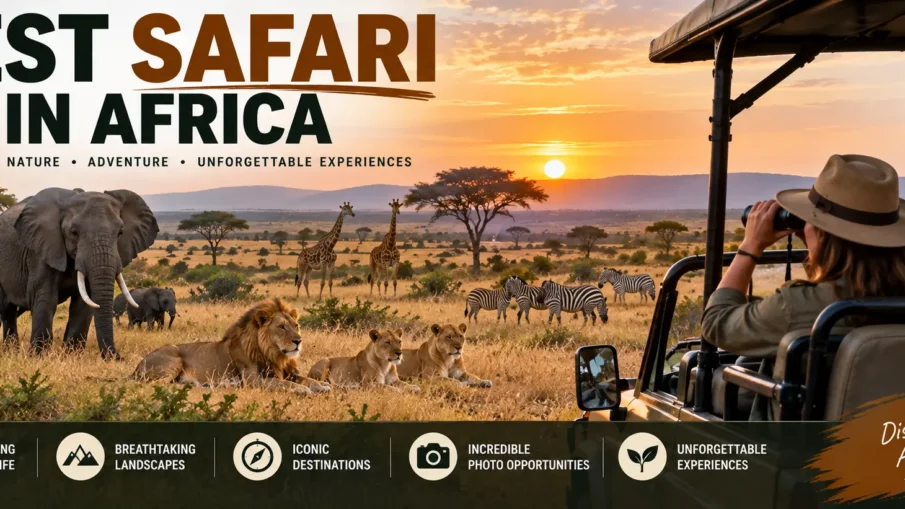
Planning an African wildlife trip can feel overwhelming because the continent offers so many unforgettable safari destinations. The best safari in Africa depends on what you want to see, your budget, preferred travel style, and the season you plan to visit. Kenya and Tanzania are famous for the Great Migration, Botswana is known for exceptional wilderness and water-based safaris, while South Africa offers easy-to-plan wildlife trips and excellent options for families and first-time visitors.
The good news is that there is no single safari that suits everyone. By choosing the right country, park, season, and accommodation style, you can build a trip that matches your interests without paying for experiences you do not need.
What Makes the Best Safari in Africa?
A great safari is about more than seeing the Big Five. Lion, leopard, elephant, buffalo, and rhino are major attractions, but the overall experience also depends on landscapes, wildlife density, guides, accommodation, accessibility, and the type of activities available.
For example, Kenya’s Maasai Mara is famous for open grasslands and dramatic wildlife viewing. Tanzania combines the Serengeti with the Ngorongoro Conservation Area, giving best safari in Africa travelers a chance to experience several distinct ecosystems.
Botswana offers a different atmosphere. The Okavango Delta provides opportunities for traditional game drives as well as mokoro excursions through seasonal waterways. Meanwhile, South Africa’s Kruger National Park has extensive road infrastructure and a wide choice of lodges.
Your ideal safari should therefore match your priorities rather than simply follow a list of famous parks.
Top African Safari Destinations
Kenya: Great for Classic Wildlife and the Great Migration
Kenya is one of the most recognizable safari destinations in Africa. The Maasai Mara National Reserve is particularly popular because of its abundant wildlife and sweeping savanna landscapes.
During the annual wildebeest migration, large herds move through the Mara ecosystem. However, wildlife viewing remains rewarding outside migration periods as well.
Kenya also offers parks such as Amboseli, where elephants can often be seen against the dramatic backdrop of Mount Kilimanjaro. As a result, combining the Maasai Mara with another Kenyan destination can create a varied itinerary.
Tanzania: Serengeti, Ngorongoro and Beyond
Tanzania is another strong choice for travelers seeking a classic safari. The Serengeti is famous for its huge plains and wildlife populations, while the Ngorongoro Crater offers a concentrated wildlife-viewing experience within a spectacular volcanic landscape.
For many visitors, Tanzania is especially appealing because a safari can combine several major attractions in one journey.
If migration viewing is your priority, however, timing matters. The herds move throughout the year, so your route should be planned around their seasonal movements rather than assuming they will be in one location throughout the year.
Botswana: Wilderness and Water-Based Safari Experiences
Botswana is an excellent option for travelers who want a more remote safari atmosphere. The Okavango Delta is its signature destination, where seasonal flooding creates a maze of channels, islands, and wetlands.
Depending on water levels and local conditions, activities can include game drives, boat excursions, and mokoro trips. Chobe National Park is another popular area, particularly for elephant viewing.
Because many safari areas are accessed through smaller camps and flights, Botswana can cost more than some other African destinations. In return, travelers can experience a quieter wilderness setting.
South Africa: Flexible and Accessible
South Africa is often a practical introduction to African safaris. Kruger National Park and surrounding private reserves offer extensive wildlife opportunities, while the country’s broader tourism infrastructure makes it easier to combine safari time with cities, beaches, or scenic drives.
Private reserves can provide guided game drives and other experiences that complement a stay in Kruger. Also, South Africa has safari options across a broad range of budgets.
For families or travelers who want more control over their itinerary, South Africa can be particularly convenient.
Zambia: Walking Safaris and Wild Landscapes
Zambia is worth considering if you want something beyond traditional vehicle-based game drives. South Luangwa National Park has a strong reputation for walking safari experiences, allowing visitors to experience the bush at a slower pace.
Walking safaris require following guide instructions carefully, but they can offer a very different perspective on tracks, plants, birds, and animal behavior.
Zambia generally appeals to travelers looking for a less crowded and more adventurous safari experience.
Best Time for an African Safari
The best time for an African safari depends on the destination and the experience you want.
In many southern and eastern African safari areas, dry-season months are popular because vegetation becomes thinner and animals often gather around reliable water sources. However, these periods can also bring higher prices and more visitors.
Wet or green seasons have advantages too. Landscapes become lush, birdlife can be excellent, and some lodges offer lower rates.
For a more detailed planning guide, travelers comparing seasons can also consult a resource about the best time for african safari before selecting exact travel dates.
Seasonal Safari Overview
| Season | What to Expect | Best For |
|---|---|---|
| Dry season | Less vegetation and easier wildlife spotting | First-time safari travelers |
| Green season | Lush scenery and fewer visitors in some areas | Photography and value |
| Migration periods | Large-scale herd movements in selected regions | Migration-focused trips |
| Wettest months | Rain, muddy roads and changing conditions | Travelers seeking lower rates |
Because African weather patterns vary by region, always check conditions for the specific park you plan to visit.
Month-by-Month Safari Planning
January to March
Early-year travel can be rewarding in East Africa. In Tanzania, January and February may offer excellent opportunities to see young wildebeest in the southern Serengeti when conditions align with the annual cycle.
Rainfall varies, so expect some changing weather and greener landscapes.
April to May
These months can bring heavier rainfall in several safari regions. Some camps reduce operations during this period, while others remain open with attractive rates.
Travelers who prioritize lower costs and fewer visitors may find this period appealing, although road conditions can affect travel times.
June to August
These months are popular for many safari destinations. Weather is often drier, wildlife can be easier to locate, and the Great Migration moves through parts of the Serengeti and Maasai Mara depending on the year.
Demand can be high, so booking accommodation and internal flights early is sensible.
September to October
September and October can offer dry conditions in many areas. Water sources become increasingly valuable to wildlife, creating strong game-viewing opportunities.
However, temperatures can become hot in some regions, particularly during the afternoon.
November to December
Short rains can transform parts of the landscape into greener environments. Birdwatching can be rewarding, and some destinations offer lower-season pricing.
Because rainfall is not identical across Africa, check the forecast and operating schedule for your chosen park before booking.
Safari Weather and Climate
Africa does not have one universal safari climate. Conditions vary significantly between Kenya, Tanzania, Botswana, South Africa, Zambia, and other destinations.
Dry periods can make wildlife easier to spot because grasses are shorter and animals may concentrate around water. On the other hand, green-season travel can provide beautiful scenery and dramatic skies.
Morning game drives can feel surprisingly cool, especially during dry-season months. By afternoon, temperatures may rise considerably.
Layered clothing is therefore more practical than packing only for daytime heat.
How Much Does an African Safari Cost?
Safari prices vary widely. Your final cost depends on the country, park fees, accommodation, transportation, length of stay, private versus group activities, and time of year.
| Safari Style | Typical Cost Level | What You Usually Get |
|---|---|---|
| Budget/group safari | Lower | Basic accommodation and shared drives |
| Mid-range safari | Moderate | Comfortable lodges or tented camps |
| Luxury safari | High | Premium camps, private activities and added services |
| Fly-in luxury safari | Very high | Remote camps and domestic flights |
Rather than choosing the cheapest package available, compare what is actually included. Park fees, airport transfers, meals, game drives, drinks, internal flights, and conservation fees may be handled differently by each operator.
Ways to Save Money
A safari does not have to mean choosing the most expensive lodge.
First, consider traveling during a shoulder or green season if wildlife conditions and weather suit you. Next, compare small-group safaris with private departures.
You can also reduce costs by staying at a combination of mid-range lodges and camps instead of booking luxury accommodation every night.
Another useful strategy is to choose fewer destinations. Spending three nights in one excellent wildlife area can be more enjoyable than constantly moving between parks.
What to Do on an African Safari
Game drives are the classic safari activity, but they are only part of the experience.
Depending on the destination, you may also be able to enjoy:
- Guided walking safaris
- Boat or canoe excursions
- Mokoro trips
- Birdwatching
- Night drives
- Cultural visits
- Wildlife photography
- Scenic bush breakfasts
- Stargazing
- Conservation-focused experiences
Activity availability depends on local regulations and the specific park or private reserve, so confirm details before booking.
A Practical 7-Day Safari Itinerary
A week is enough to experience a focused safari, although longer trips allow more variety.
| Day | Suggested Plan |
|---|---|
| 1 | Arrive and transfer to your first safari lodge |
| 2 | Morning and afternoon game drives |
| 3 | Full-day wildlife experience |
| 4 | Move to a second wildlife area |
| 5 | Morning game drive and afternoon activity |
| 6 | Full-day safari or walking experience |
| 7 | Final game drive and departure |
For Kenya, you might focus on the Maasai Mara and one nearby destination. In Tanzania, a Serengeti and Ngorongoro combination can work well. In South Africa, Kruger or a nearby private reserve can form the centerpiece of the trip.
The best itinerary is usually one that leaves enough time to enjoy each location rather than rushing between parks.
Where to Stay on Safari
Safari accommodation ranges from simple campsites to luxury lodges with private plunge pools and extensive services.
Tented camps can offer an immersive bush experience without necessarily being basic. Lodge accommodation may provide more conventional rooms and facilities.
When comparing properties, look beyond photographs. Check how far the accommodation is from wildlife areas, whether game drives are included, how transfers work, and whether the property operates year-round.
Location can have a bigger impact on your experience than decorative extras.
Getting Around Africa on Safari
Transportation depends heavily on your itinerary.
In some parks, road transfers are practical. In remote destinations such as parts of Botswana or Zambia, small aircraft may connect safari camps.
Domestic flights can save considerable travel time, but they may have luggage restrictions. Soft-sided bags are often more practical for light aircraft than rigid suitcases.
If you plan to combine multiple countries, allow enough time between international and domestic flights. A delayed connection can otherwise disrupt an expensive safari itinerary.
What to Pack
Safari packing works best when you focus on comfort and practicality.
Bring lightweight clothing in neutral or muted colors, comfortable walking shoes, a hat, sunglasses, sunscreen, insect repellent, and a light jacket. A small daypack is useful for game drives.
A camera with a useful zoom lens can improve wildlife photography, although a smartphone can still capture memorable moments.
Also pack any prescription medicines you need, plus basic personal supplies. Check your airline’s luggage allowance before leaving home, especially if your itinerary includes small charter aircraft.
Food and Dining on Safari
Safari lodges often serve a mixture of international dishes and regional flavors. Meals may include fresh vegetables, grilled meats, rice, bread, fruit, and locally inspired dishes.
Remote camps typically plan meals around their guests’ schedules. For example, breakfast may be served after an early morning drive, while lunch could be a packed meal during a full-day excursion.
If you have dietary requirements, tell the lodge or safari operator before arrival. Many established properties can accommodate common dietary needs with advance notice.
Safety Advice for Safari Travelers
Wild animals are unpredictable, even when they appear calm. Always follow your guide’s instructions and remain inside the vehicle unless your guide confirms that it is safe to leave.
Do not approach animals, feed wildlife, or use flash photography when it could disturb them.
At camps, follow instructions about walking after dark. Some properties require an escort between your tent and communal areas because wildlife can move through the camp.
For broader trip-planning advice, reading what is the safest way to travel can also help you think through general precautions before an international journey.
Family and Solo Safari Tips
Families should look for properties that accept children of their ages and offer suitable activities. Some lodges have minimum age requirements for walking safaris or certain game drives.
A private vehicle can provide families with more flexibility, especially when young children need breaks.
Solo travelers, meanwhile, can often join small-group safaris to reduce costs and meet other travelers. A reputable operator, clear transfer arrangements, and reliable communication are especially useful when traveling alone.
If you are planning a safari as part of a romantic trip, you can also compare affordable honeymoon destinations if you want to combine wildlife with another destination.
Common Safari Mistakes to Avoid
One common mistake is trying to visit too many parks in a short trip. Long transfers can take time away from wildlife viewing.
Another is choosing travel dates without checking seasonal conditions. Migration routes, rainfall, temperatures, and park accessibility all vary.
Also, avoid assuming every safari guarantees specific animal sightings. Wildlife is wild, and sightings depend on natural conditions.
Finally, read the inclusions carefully before comparing prices. A seemingly cheap package may exclude park fees, flights, transfers, or activities that another operator includes.
Quick Safari Planning Checklist
Before booking, make sure you have:
- Chosen a country and wildlife area
- Checked the seasonal weather
- Selected suitable travel dates
- Compared safari operators
- Confirmed what the price includes
- Checked accommodation reviews and location
- Planned domestic transportation
- Reviewed luggage limits
- Checked passport and entry requirements
- Arranged appropriate travel insurance
- Prepared practical safari clothing
- Allowed time for rest between major travel days
Frequently Asked Questions
Which country has the best safari in Africa?
There is no single answer for every traveler. Kenya and Tanzania are well known for classic East African safaris, Botswana for remote wilderness and water-based experiences, South Africa for accessibility and variety, and Zambia for walking safari opportunities.
How many days do you need for an African safari?
A focused safari can work in four to five days, but seven to ten days gives you more time to explore multiple wildlife areas without making the trip feel rushed.
What is the best time to go on safari?
Dry-season months are popular in many destinations because wildlife can be easier to spot. However, green-season travel can offer lush scenery, excellent birdwatching, and potentially lower prices.
Is an African safari suitable for first-time travelers?
Yes. First-time visitors can choose destinations with established tourism infrastructure, experienced guides, and straightforward transportation. South Africa, Kenya, and Tanzania are common starting points.
Is an African safari expensive?
It can be, but there are options across a wide range of budgets. Group tours, mid-range camps, shorter itineraries, and shoulder-season travel can reduce the overall cost.
What should you wear on safari?
Lightweight, breathable layers work well. Comfortable trousers, shirts, walking shoes, a sun hat, sunglasses, and a light jacket are practical choices. Neutral colors are often preferred because they are less visually conspicuous in the bush.
Plan the Safari Around the Experience You Want
Choosing the best safari in Africa starts with deciding what you actually want from the journey. If the Great Migration is your priority, build the trip around the movement of the herds.
Give yourself enough time to compare seasons, accommodation, transportation, and included costs. Most of all, avoid packing too much into one itinerary. A well-paced safari leaves room for quiet mornings, unexpected wildlife encounters, and the simple pleasure of watching the African landscape change around you.
With thoughtful planning, your safari can become more than a checklist of famous animals. It can be a comfortable, memorable journey shaped around the places, seasons, and experiences that matter most to you.